Here Are the Top Qualities of an Excellent Plumbing Company

Michael L.
Here Are the Top Qualities of an Excellent Plumbing Company
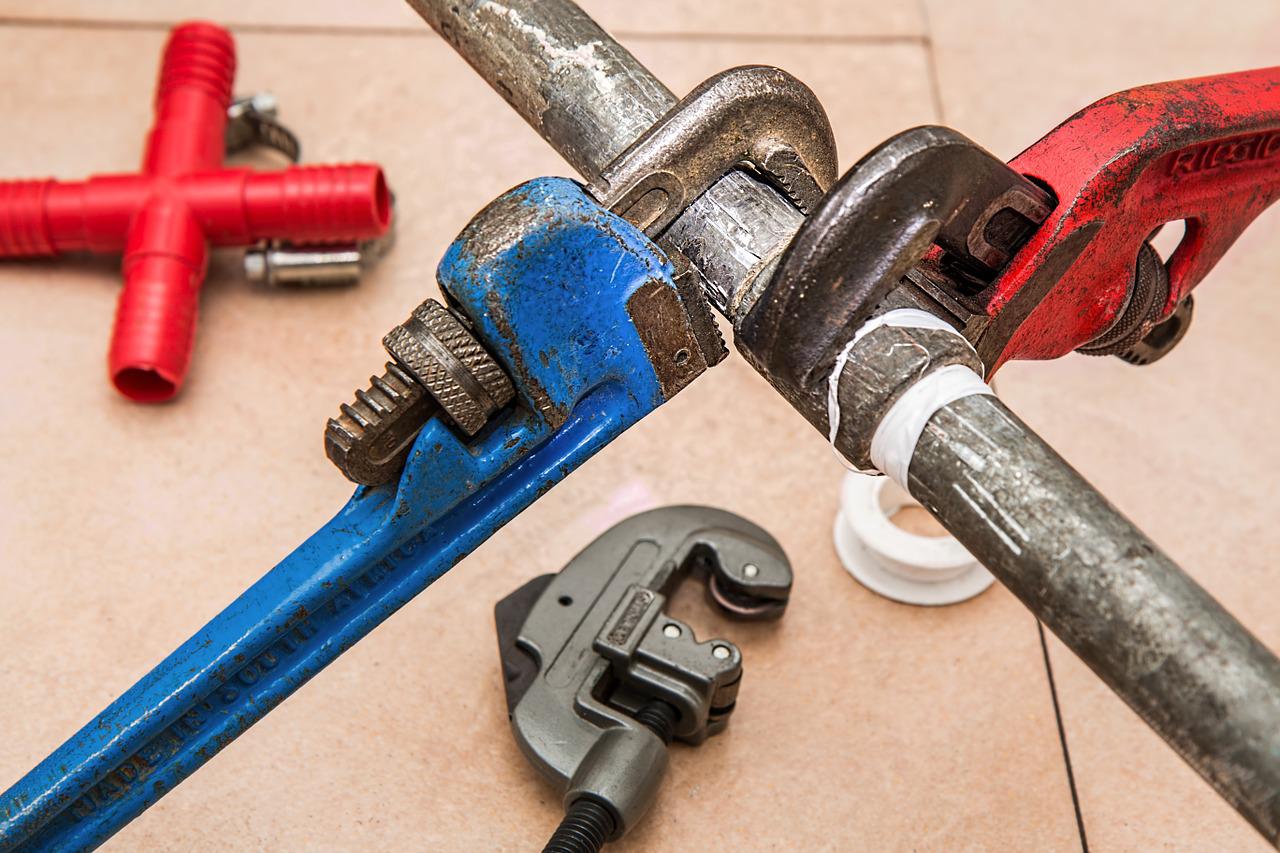
Plumbing plays a very important role in our lives. This is where we get our daily water from, and we rely on its system to get through our tasks and responsibilities. If something goes wrong with your plumbing system, your daily routine will be immediately disrupted. This is why in times like these, you should immediately call a professional for help.

However, you shouldn’t panic and call just any random professional. Instead, you need to stay calm and still assess the company that you are hiring properly to ensure that you get the best value for your money. Below are some of the traits that an excellent plumbing company should possess.

1. Experienced

An experienced plumbing company has been in the business for some time and should have a lot of experience under its belt. They have probably encountered many types of problems, and they know exactly how to handle them. So if you need plumbing services that can get the job done right, then you should hire an experienced company.

2. Licensed and Insured

You should also make sure that the company you are hiring for your plumbing services has a license and insurance. This way, you won’t have to worry about accidents or any of your things getting damaged by the workers. It also ensures that everyone is protected whenever work is being done.

3. Competitive Pricing

Do not just hire the first plumbing company that you come across or that advertises the lowest price. You should always take your time and shop around for a company that can provide you with the best service for the right price. 

Numbers are nice to look at, but they should not be the only thing that you should take into consideration. You should always take the services and the reputation of the company into account as well.

4. Good Reviews

It is always nice to hear positive things about a company through a review. It feels reassuring to know that there are people who are saying nice things about the company that you are about to hire for your plumbing services.

5. Excellent Customer Service

Most of the time, your customer service experience is a reflection of the kind of service that you will get from the company. So if you have the chance, give their customer service line a call to know how their staff interacts with their customers.

6. Prompt Response

A good plumbing company will always respond to your call quickly. It is obvious that when you are in need of a plumber, you will not want to wait for a company that is taking its sweet time responding.

7. Knowledgeable Staff

It is also important that they have staff that is well-informed about their job. They should be able to answer all of your questions and concerns. They should be able to provide you with useful suggestions and information.

Conclusion

A good plumbing company is a must if you want to continue living in a comfortable and safe place. It is important that you look for a company that can provide you with excellent services at a very cheap price. Always remember to check their reputation, availability, and customer service before hiring a company.

If you are looking for plumbing services in Birmingham , you can hire All City Plumbers. We offer emergency, commercial, and residential plumbing services for all your needs. Get in touch with us to learn more about our services.
Why Plumbing Failures Spike During Winter Nights?
by Hadi Masood 13 April 2026
Plumbing failures tend to spike during winter nights for a combination of environmental, mechanical, and behavioral reasons that place extra stress on pipes, fixtures, and water systems. Cooler outdoor temperatures, rapid temperature swings, and reduced household activity create conditions where marginal weaknesses in the plumbing network are more likely to reveal themselves as leaks, bursts, or pressure‑related failures. Understanding why these problems surge after dark in the colder months allows homeowners to anticipate issues, plan preventive measures, and respond more effectively when things go wrong. This article explores the physics of winter plumbing stress, the role of household usage patterns, and the way recent repairs and system changes can create hidden vulnerabilities that may not show up until the quiet hours of winter nights. The physics of cold temperatures and pipes During the winter, outdoor air and soil temperatures drop, and in many homes this coolness penetrates into unheated spaces such as basements, crawl spaces, garages, and exterior walls. When water sits in pipes that are exposed to these colder environments, the fluid begins to lose heat and can approach or even reach freezing, especially overnight when indoor heating is reduced and activity is minimal. As water freezes, it expands, and this expansion exerts significant outward pressure against the pipe walls. Even a small section of ice that forms inside a line can block the flow and create a localized pressure spike on the upstream side, which increases the risk of a joint, valve, or weak section of pipe failing. Pipes that are already weakened by age, corrosion, or previous repair work are especially vulnerable in these conditions. Older galvanized steel or thin‑walled copper lines may have developed microscopic cracks or thinning over time, and when combined with freezing‑related pressure, these defects can propagate quickly into full ruptures. In some cases, the damage may not become visible until the thaw begins, when the melted water finds the weakest point in the system and leaks out. This delayed manifestation is one reason why plumbing failures often seem to “appear out of nowhere” during the night and are only noticed in the morning, sometimes after significant damage has occurred. Why failures cluster during winter nights Winter nights are when several risk factors converge. First, outdoor temperatures are typically at their lowest, and the interior of the home is often set to a lower thermostat setting as people sleep, which reduces the amount of residual heat reaching plumbing in exterior walls, attics, and basements. Second, household water use slows dramatically overnight, so warm water from showers, laundry, or dishwashers is not cycling through the system to keep pipes at a more stable temperature. This combination of reduced heat input and minimal water movement allows stagnant water in vulnerable lines to cool more quickly and approach freezing. Another contributing factor is that many homes are designed with some plumbing routes running through unconditioned spaces, such as along the perimeter of basements or through exterior walls. These lines are often less insulated than the main supply trunk, and they may be located near drafty windows, doors, or uninsulated foundation openings. As the night progresses, these areas can become significantly colder than the rest of the house, increasing the probability that any marginal section of pipe will be the first to freeze or fail. When the failure occurs, the resulting leak or burst may go unnoticed for hours, allowing water to accumulate on floors, soak into walls, or contribute to ice formation that further stresses the system. The role of thermal expansion and pressure changes Beyond freezing, another important cause of winter‑night plumbing failures is the interaction between thermal expansion and water pressure. When water is heated, it expands, and the volume increase can raise pressure within a closed system. In many homes, water heaters operate on a schedule or in response to demand, and the temperature of the water may remain elevated overnight if the thermostat is set high or if the unit is recovering from daytime use. If the system lacks proper expansion‑control devices, such as expansion tanks, this extra pressure can accumulate in the distribution lines and place added strain on joints, valves, and fixtures. Expansion tanks are designed to absorb the additional volume created when water heats up, effectively cushioning the system and preventing extreme pressure spikes. In homes where these tanks are missing, undersized, or improperly installed, the pressure has nowhere to go except into the weakest part of the plumbing. This can lead to stress fractures in older pipes, failures at threaded connections, or premature wear in water heater components. Over time, repeated cycles of heating and cooling—especially during colder months when the temperature differential between the incoming cold water and the heated supply is greatest—can fatigue system components until one night they finally give way, often during the quiet hours when no one is actively using water. How repairs and upgrades introduce new risks Paradoxically, plumbing repairs and upgrades can sometimes contribute to the winter‑night spike in failures. When a section of pipe is replaced, a new valve installed, or a different water heater is fitted, the system’s dynamics can change in subtle ways that do not immediately reveal themselves. For example, replacing a long, older section of flexible pipe with a shorter, stiffer one can alter the way the system absorbs thermal expansion and vibration, creating new stress points. Changes in pipe routing or diameter can also affect flow velocity and pressure distribution, which may place extra load on certain fittings or fixtures. Another concern is water pressure spikes after plumbing repairs . If a line is temporarily depressurized during work, air can enter the system and later be compressed rapidly when water is reintroduced, causing a brief surge in pressure. In some cases, technicians may inadvertently adjust or disable pressure‑regulating components, or the new configuration may expose previously hidden weaknesses to higher pressure than they were designed to handle. These issues may not become apparent during normal daytime use, but overnight, when the system is quiet and pressure can build, the weakest joint or connection may finally fail. This delayed manifestation can make it seem as though a newly repaired system is suddenly “falling apart,” when in fact the underlying stress was always present and was only brought to the surface by the change in conditions. Climate, insulation, and home design factors The rate at which plumbing failures spike during winter nights also depends heavily on local climate patterns and the quality of a home’s insulation and weatherization. Homes in regions with frequent freeze‑thaw cycles are particularly vulnerable, as pipes repeatedly experience contraction and expansion with temperature changes. Each cycle can slowly fatigue joints and fittings, and over several winters these small stresses accumulate into larger structural weaknesses. In homes with poor insulation around plumbing chases, drafty attics, or unsealed foundation penetrations, cold air can infiltrate spaces where pipes are routed, accelerating the cooling of water and increasing the likelihood of freezing or pressure‑related failures. Interior layout and heating design also play a role. Central heating systems that primarily warm main living areas may leave peripheral rooms, hallways, or basements significantly cooler, especially at night. If plumbing lines serving these cooler areas are not adequately insulated or located within the building’s conditioned envelope, they will experience more extreme temperature swings than lines in warmer rooms. Similarly, homes with older construction standards may lack modern insulating materials or vapor barriers, which can allow condensation and moisture buildup around pipes, further accelerating corrosion and weakening the system over time. Recognizing these design‑related vulnerabilities is an important step in prioritizing insulation upgrades, pipe relocation, or other protective measures. Behavioral and usage patterns that worsen the problem Household behavior during the winter can unintentionally increase the risk of nighttime plumbing failures. For example, many people close interior doors to unused rooms or basements in an effort to conserve heat, which can also reduce airflow and trap colder air near plumbing that runs along walls or under floors. In some homes, residents may turn down or turn off heat in unoccupied areas or basements, assuming that these spaces can be sacrificed for comfort, not realizing that the pipes in those locations are now more exposed to freezing conditions. Similarly, the tendency to leave faucets dripping during cold spells to prevent freezing can sometimes mask underlying issues, such as slow leaks or pressure imbalances, that may worsen over time. Another behavioral factor is the timing of water use. During the day, frequent showers, laundry cycles, and dishwashing keep water moving through the system, which helps maintain a more stable temperature and reduces the chance of stagnant water freezing. At night, however, usage plunges, and water can sit for hours in sections of pipe that are more exposed to cold. This stagnation increases the probability that the coldest section of the line will be the one that freezes, especially if it is already weakened by corrosion or prior damage. By understanding how everyday habits interact with the physical realities of winter plumbing, homeowners can adjust their routines—such as slightly increasing nighttime heat in key areas or insulating exposed lines—to reduce the strain on the system without major renovation. When to call professionals for winter‑related issues Despite best efforts, some winter plumbing failures are unavoidable, particularly in older homes or systems that have already suffered years of wear. When a leak, burst pipe, or significant pressure fluctuation occurs overnight, it is important to act quickly to minimize damage and restore safety. In many cases, homeowners benefit from working with experienced plumbing professionals who understand the seasonal dynamics of residential systems and can diagnose not only the immediate failure but also underlying contributors such as inadequate expansion tanks, poor insulation, or latent weaknesses exposed by water pressure spikes after plumbing repairs. Reliable companies that offer comprehensive winter‑plumbing services, including emergency calls and system evaluations, can help families reduce the frequency and severity of winter‑night failures. For example, firms such as All City Plumbers can provide guidance on insulating vulnerable pipes, adjusting pressure‑regulating devices, and replacing aging components before they reach their breaking point. By integrating professional assessments into regular seasonal maintenance, homeowners can turn winter from a period of fear and surprise into one of predictable, managed care that protects both property and peace of mind. Conclusion Plumbing failures spike during winter nights because cold temperatures, reduced water movement, and thermal expansion combine to place extra stress on an already aging or marginally stable system. Exposure to freezing air, insufficient insulation, and design choices that route pipes through unheated spaces all increase the likelihood that a weak joint, undersized section, or fatigued component will finally fail. Repairs and upgrades can unintentionally introduce new stress points, and water pressure spikes after plumbing repairs may expose hidden weaknesses that only become apparent after the system has settled overnight. By understanding these mechanisms and taking proactive steps—such as adding or servicing expansion tanks , improving insulation, and relying on professional help when problems arise—homeowners can significantly reduce the risk of sudden, disruptive plumbing emergencies during the coldest hours of the year.
How to Train Your Family for Plumbing Emergencies?
by Hadi Masood 8 April 2026
Learn how to train your family for plumbing emergencies with clear roles, safety drills, and simple maintenance habits, so everyone knows how to respond quickly and safely when leaks, floods, or water heater failures occur.
How to Identify High-Risk Plumbing Zones in Your Home?
by Hadi Masood 7 April 2026
Learn how to identify high‑risk plumbing zones in your home, from hidden leaks behind walls to aging pipes and appliances, and discover when to call professionals for maintenance or emergency services to prevent costly water damage.
Know When to Shut Off Water to Your Entire Block?
by Hadi Masood 6 April 2026
Know when to shut off water to your entire block during major leaks, contamination, or disasters—essential guide with procedures, legal tips, and alternatives.
The Warning Signs Your Water Heater Is About to Fail
by Hadi Masood 3 April 2026
Spot the early warning signs your water heater is failing—noises, leaks, discolored water, and more. Learn causes, risks, and when to call pros for timely fixes.
Water Heater Anode Rod Replacement: Overlooked Step
by Hadi Masood 2 April 2026
Discover why water heater anode rod replacement is the overlooked step to extend tank life, prevent leaks, and save money—complete DIY guide with tips from pros.
Why Your Water Pressure Spikes After Plumbing Repairs?
by Hadi Masood 31 March 2026
Understand why water pressure spikes after plumbing repairs: causes, fixture impacts, diagnostic steps, and fixes from pros like All City Plumbers.
What to Do When Your Water Suddenly Turns Cloudy?
by Hadi Masood 31 March 2026
Prepare plumbing for heatwaves: audits, insulation, water heater tweaks with expansion tanks, and monitoring tips from pros like All City Plumbers.
How to Prepare Your Plumbing Systems for Heatwaves?
by Hadi Masood 30 March 2026
Prepare plumbing for heatwaves: inspect pipes, optimize water heaters with expansion tanks, manage expansion, and use pros like All City Plumbers for reliability.
Why Minor Drips Become Major Plumbing Disasters?
by Hadi Masood 30 March 2026
Uncover why minor drips escalate into plumbing disasters: erosion, water damage, health risks, and how pros like All City Plumbers prevent costly failures.